Digital Visions In Contemporary ArtDigital Visions In Contemporary Art
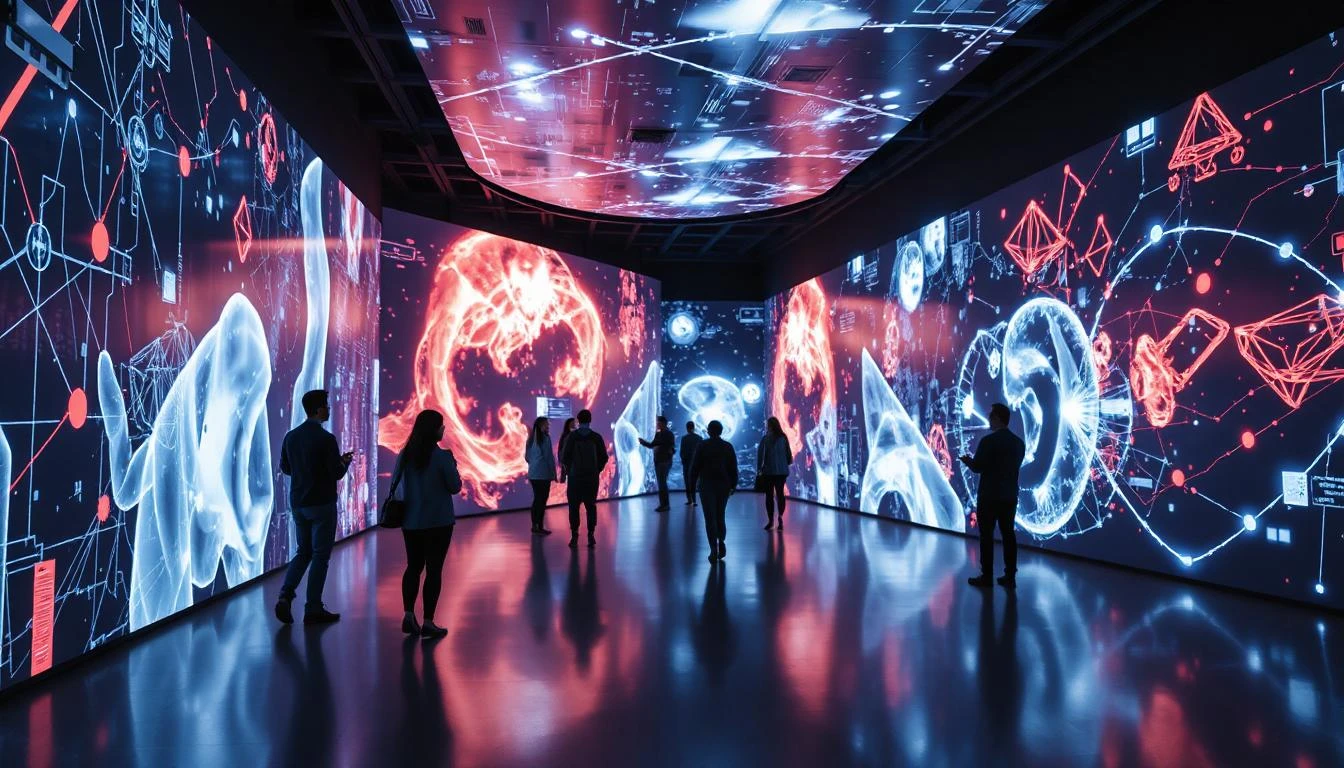
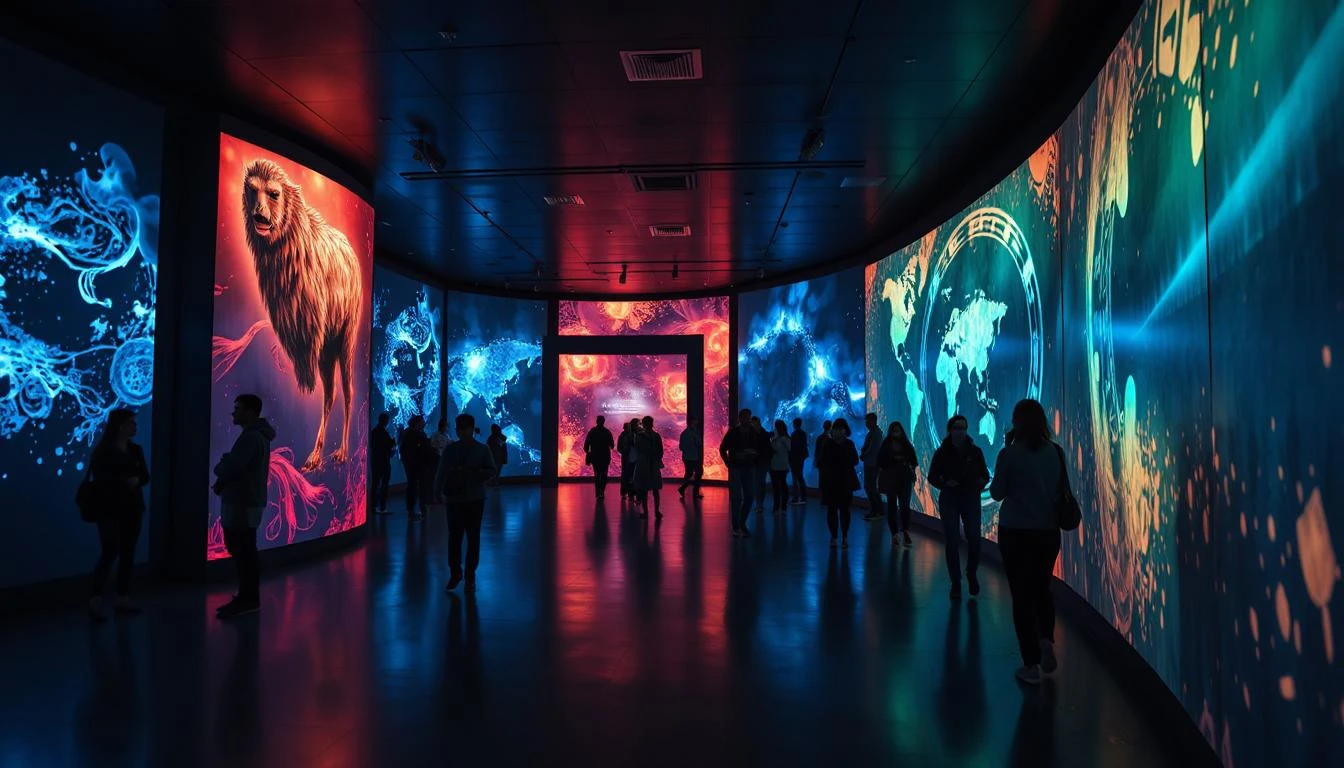
The art world is moving faster than ever, and audiences are no longer satisfied with ordinary visual experiences. People want something immersive, emotional, and unexpectedly futuristic. From interactive exhibitions in Tokyo to AI-generated installations in New York, contemporary art is entering a new era where technology and imagination collide in extraordinary ways. What once felt experimental is now becoming the center of global entertainment culture, attracting creators, collectors, and curious audiences from every generation.
In the middle of this transformation, contemporary digital visions are redefining how people experience creativity in modern society. Digital artists are no longer limited by physical materials or gallery walls because innovation now allows visual storytelling to evolve through artificial intelligence, virtual reality, and immersive media experiences. This shift is changing not only how art is created, but also how audiences emotionally connect with artistic expression in everyday life.
Exploring Digital Trends In Contemporary Art
The rapid evolution of digital technology continues to reshape the creative industry in surprising ways. Audiences today are drawn toward artistic experiences that feel interactive, cinematic, and emotionally engaging rather than static or predictable. This growing curiosity is pushing creators to explore more daring visual experiments while blending technology with storytelling.
At the same time, modern digital creativity is becoming one of the strongest driving forces behind contemporary entertainment culture. Artists, filmmakers, designers, and multimedia creators are collaborating across platforms to build experiences that feel more alive, immersive, and globally connected than ever before.
Technology Driven Artistic Expression
Technology has dramatically expanded the possibilities of artistic expression across the global creative landscape. Artists now use projection mapping, augmented reality, holographic visuals, and generative software to produce multidimensional experiences capable of transforming ordinary spaces into breathtaking visual environments.
Instead of relying solely on traditional techniques, creators are experimenting with motion sensors, live digital rendering, and interactive environments that respond directly to audience participation. This approach creates a stronger emotional connection because viewers feel involved inside the artwork itself rather than simply observing it from a distance.
Media theorist Marshall McLuhan once said, “The medium is the message,” and that idea feels more relevant today than ever before. Digital platforms are not only changing artistic delivery, but also transforming how audiences interpret meaning, emotion, and visual identity in contemporary culture.
AI And Digital Creativity Tools
Artificial intelligence is becoming one of the most influential innovations in modern artistic production. AI-powered software can now generate illustrations, assist animation projects, create visual concepts, and even help composers develop immersive sound environments for entertainment experiences.
Many artists see AI as a collaborative creative partner rather than a replacement for human imagination. This technology allows creators to accelerate experimentation, discover unexpected visual patterns, and push creative boundaries beyond conventional limitations.
The rise of AI-generated art has also sparked fascinating conversations about originality, authorship, and authenticity in modern culture. Audiences are increasingly curious about how machines and humans can coexist creatively while still preserving emotional depth within artistic works.
Interactive Visual Experiences
Modern audiences are naturally attracted to experiences that feel personal, immersive, and emotionally unforgettable. Interactive visual installations are becoming increasingly popular because they allow people to physically engage with art through movement, sound, light, and digital interaction.
Museums and creative studios across the world are now designing sensory-based environments where visuals respond in real time to audience behavior. Some installations even adapt colors, motion, or sound patterns depending on crowd interaction, creating experiences that feel unique for every visitor.
This evolution is changing audience expectations completely. People no longer want to passively consume visual entertainment because they now seek participation, emotional stimulation, and memorable experiences that feel deeply connected to their personal reality.
How Digital Media Shapes Modern Art
Digital media has fundamentally transformed the way art is distributed, consumed, and appreciated around the world. The internet has removed geographical limitations, allowing artists from different cultures to instantly connect with global audiences through visual platforms and multimedia storytelling.
As entertainment habits continue evolving, digital visibility has become almost as important as artistic talent itself. Audiences now discover creativity through social feeds, short-form video content, and immersive online experiences that constantly shape global cultural trends.
Social Media Influence On Artists
Social media platforms have become powerful tools for artistic exposure and community building. Independent creators can now showcase their portfolios internationally without depending entirely on traditional galleries or elite institutions.
Platforms such as Instagram, TikTok, and Behance allow artists to share behind-the-scenes processes, creative inspiration, and interactive storytelling directly with audiences. This level of accessibility creates stronger emotional relationships between creators and followers while accelerating artistic recognition worldwide.
Digital culture also influences aesthetic trends at an incredible speed. A visual concept can become globally popular within days, inspiring countless reinterpretations across fashion, entertainment, and multimedia industries.
Virtual Galleries And Exhibitions
Virtual galleries are revolutionizing accessibility within the contemporary art world. Audiences can now explore international exhibitions through immersive digital spaces without needing to travel physically to museums or cultural institutions.
This innovation became even more significant as online experiences gained popularity globally. Artists are now able to create limitless digital environments unrestricted by physical architecture, allowing exhibitions to feel more imaginative and experimental.
Art curator Hans Ulrich Obrist once explained, “Technology expands the possibilities of human imagination,” and virtual exhibitions clearly demonstrate that transformation. These digital experiences allow audiences to engage with creativity in ways that feel both intimate and globally connected.
Evolution Of Digital Storytelling
Storytelling in contemporary art has evolved into something far more immersive and emotionally layered. Artists are now combining animation, interactive media, cinematic visuals, gaming mechanics, and augmented reality to create multidimensional narratives.
This shift is particularly visible in entertainment industries where audiences crave stories that feel dynamic and participatory rather than passive. Viewers now expect visual experiences capable of triggering emotion, curiosity, and personal interpretation all at once.
As digital storytelling continues evolving, creators are discovering new ways to merge visual aesthetics with technological innovation, resulting in experiences that feel increasingly cinematic and psychologically engaging.
Future Innovations In Contemporary Art
The future of contemporary art looks more experimental, immersive, and technologically sophisticated than ever before. Rapid innovation continues opening unexpected opportunities for creators who want to challenge traditional artistic boundaries while exploring new emotional dimensions within digital experiences.
Audiences are also becoming more receptive toward futuristic entertainment concepts. What once seemed impossible now feels increasingly accessible as technology continues blending seamlessly into everyday creative culture.
Immersive Visual Technologies
Immersive technologies such as extended reality, mixed reality, and spatial computing are reshaping the future of artistic interaction. These innovations allow creators to build environments where physical and digital realities coexist simultaneously.
Artists are designing experiences where audiences can walk through responsive virtual spaces, interact with digital sculptures, or emotionally engage with living visual narratives. These experiences create a stronger sensory impact because they activate emotion, movement, and perception together.
This growing interest in immersive technology reflects a broader cultural desire for experiences that feel more human, emotional, and unforgettable despite being digitally constructed.
NFT And Digital Ownership Trends
NFT technology continues influencing discussions surrounding digital ownership and artistic authenticity. Blockchain verification allows creators to authenticate original digital works while offering collectors a new way to invest in creative assets.
Although market trends continue fluctuating, NFTs have already changed how people think about ownership in digital culture. Artists are now experimenting with hybrid experiences that combine physical exhibitions with exclusive digital collectibles.
This innovation represents a larger shift toward decentralized creative ecosystems where artists maintain greater control over distribution, monetization, and audience engagement.
Expanding Global Creative Communities
One of the most powerful effects of digital transformation is the rise of globally connected creative communities. Artists from different countries can now collaborate instantly through online platforms, multimedia projects, and virtual creative networks.
This connectivity encourages cultural exchange, artistic diversity, and collaborative innovation at an unprecedented scale. Independent creators who previously struggled for visibility now have opportunities to reach international audiences through digital ecosystems.
As these communities continue growing, contemporary art becomes more inclusive, experimental, and culturally interconnected, creating a future where creativity feels limitless and universally accessible.
Discover Digital Visions Transforming Contemporary Art Today
The relationship between technology and creativity is becoming impossible to separate. Contemporary art is no longer confined to traditional formats because digital innovation continues expanding the emotional and visual possibilities of artistic expression worldwide.
You can already see how immersive installations, AI-generated visuals, virtual exhibitions, and interactive storytelling are transforming the entertainment industry into something far more experiential and emotionally connected. The future of art will likely belong to creators capable of blending imagination with technology in ways that feel authentic, human, and unforgettable.
As audiences continue searching for deeper emotional experiences, digital creativity will keep evolving into new forms that challenge expectations and redefine visual culture itself. The transformation is already happening around you, and every innovation today is shaping the artistic experiences people will remember tomorrow.
If you are fascinated by the future of visual storytelling and entertainment, now is the perfect moment to explore how digital art continues reshaping global creativity in extraordinary ways.