Immersive Exhibitions Redefining Art
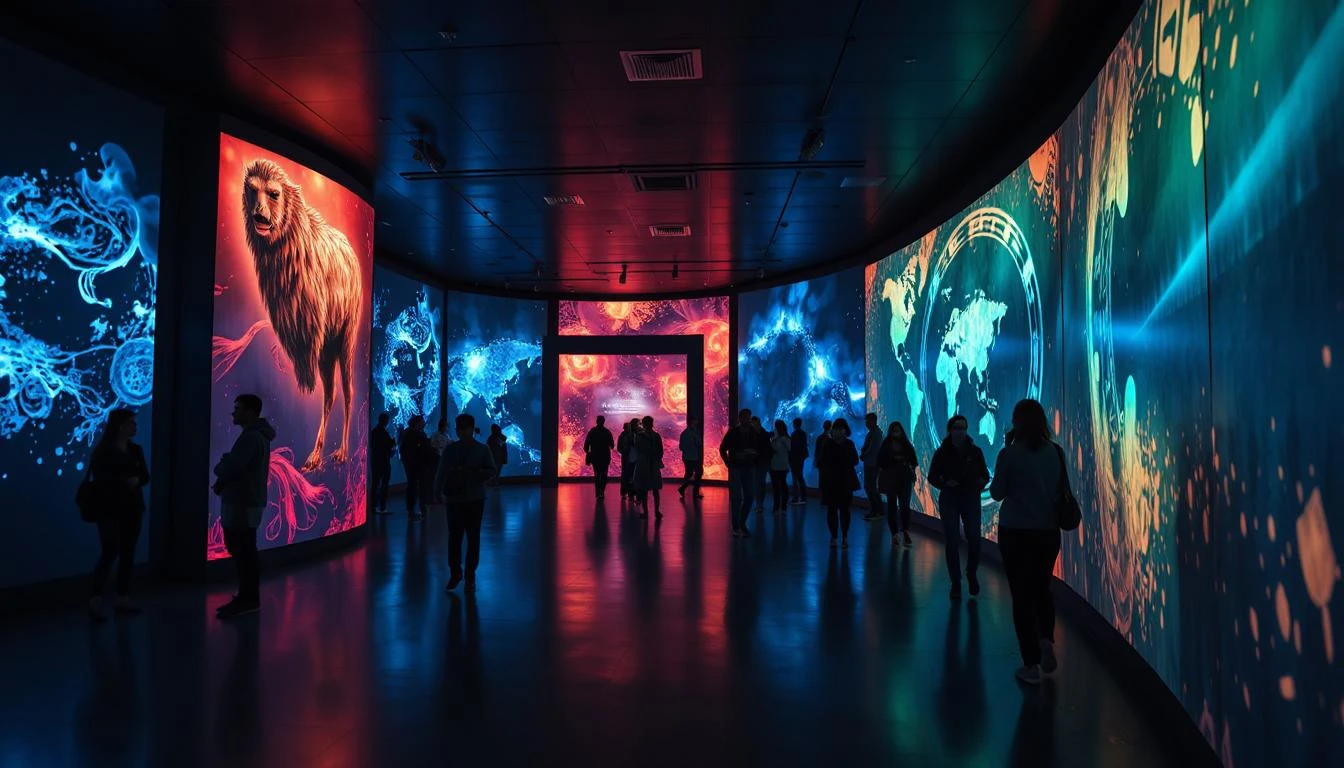
The way people experience art is changing faster than ever before. Traditional galleries once asked visitors to stand quietly and admire artwork from a distance, but modern audiences now crave something deeper, more emotional, and far more interactive. Today, art spaces are transforming into living environments filled with cinematic visuals, responsive technology, dynamic soundscapes, and sensory storytelling that pull visitors directly into the creative experience itself.
Across major cities worldwide, immersive art exhibitions are becoming one of the most talked-about trends in modern entertainment and digital culture. These exhibitions combine technology, storytelling, projection mapping, artificial intelligence, and experiential design to create unforgettable moments that feel personal and emotionally charged. Art is no longer something you simply observe. It is something you walk through, react to, and become part of emotionally. As digital curator Sarah Kenderdine once explained, “Immersive storytelling allows audiences to experience knowledge physically, emotionally, and intellectually at the same time,” and that shift is redefining how people connect with modern creativity today.
The Rise Of Immersive Art Exhibitions
Modern audiences are becoming increasingly selective about the experiences they spend time and money on. People no longer want static entertainment that feels repetitive or emotionally distant. Instead, they are searching for creative spaces that feel alive, engaging, and memorable enough to share with others both offline and online.
One major reason behind this transformation is the popularity of interactive creative displays that blend digital technology with emotional storytelling. These visually rich installations attract younger audiences, travelers, families, and content creators who want experiences that feel immersive rather than passive. Art spaces are evolving into entertainment destinations where creativity and technology collide in extraordinary ways.
Interactive digital installations
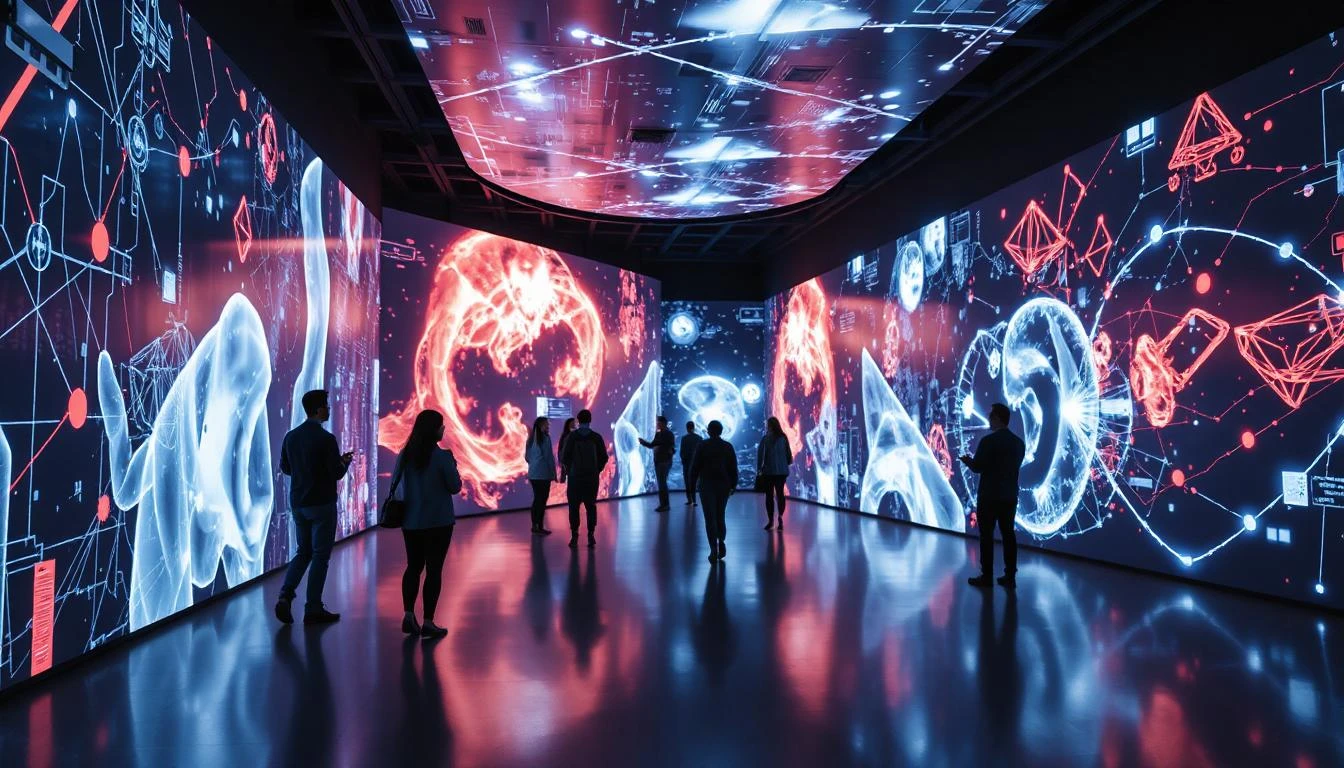
Interactive digital installations are now becoming the centerpiece of many immersive exhibitions around the world. Instead of simply viewing paintings on a wall, visitors can now trigger animated projections with movement, interact with responsive floors, or influence visuals through touch and sound.
These installations often use motion sensors, AI-powered systems, holographic effects, and synchronized lighting to create environments that constantly evolve based on audience interaction. That level of personalization makes every visitor experience feel unique and emotionally engaging.
Many digital artists are also designing exhibitions specifically for modern social behavior. Visitors naturally want to capture visually stunning moments and share them online, which is why immersive exhibitions continue generating massive popularity across social media platforms.
Multi sensory artistic experiences
Modern immersive exhibitions are designed to stimulate more than just visual attention. They combine sound engineering, atmospheric lighting, tactile elements, spatial audio, and even scent-based effects to create a complete sensory environment.
This multi-layered approach creates stronger emotional memories because visitors are fully surrounded by the experience. Some exhibitions even synchronize music with moving projections to intensify emotional reactions and storytelling depth.
According to media theorist Lev Manovich, “New media art transforms viewers from passive observers into active participants,” and that transformation is becoming increasingly visible in today’s immersive exhibition industry. Audiences are no longer separated from the artwork. They are emotionally integrated into it.
Technology enhancing audience engagement
Technology is no longer just a supporting element inside exhibitions. It has become one of the main artistic languages driving audience engagement today.
Artificial intelligence, augmented reality, projection mapping, and virtual environments allow creators to build experiences that constantly evolve in real time. Some galleries now offer smartphone integrations where visitors can unlock hidden layers of storytelling, while others use wearable devices that personalize visual sequences based on movement and interaction.
This innovation also explains why immersive exhibitions attract such strong online visibility. Visitors spend more time engaging with installations, capturing content, and sharing experiences digitally, helping exhibitions gain massive organic exposure through social media and search platforms.
How Immersive Exhibitions Change Art Experiences
The rise of immersive exhibitions is not only changing visual presentation. It is completely transforming how audiences emotionally process art, storytelling, and cultural experiences in modern society.
Today, visitors want more than information displayed on museum walls. They want to feel emotionally connected to stories, environments, and artistic narratives in ways that traditional galleries often struggle to provide.
Virtual reality in exhibitions
Virtual reality has become one of the most revolutionary tools inside immersive art spaces. Through VR technology, visitors can step inside surreal digital landscapes, explore historical recreations, or experience cinematic artistic worlds that would be impossible in physical form alone.
This technology also makes exhibitions more globally accessible. People who cannot travel physically can still participate in immersive experiences remotely through virtual exhibition platforms and digital galleries.
Search interest surrounding phrases like best immersive digital exhibitions and virtual reality museum experiences continues growing rapidly, showing how modern audiences increasingly value experiential entertainment over conventional viewing formats.
Audience participation and interaction
One of the biggest differences between traditional galleries and immersive exhibitions is audience participation. Visitors are no longer expected to remain silent observers. Instead, they actively contribute to the artistic atmosphere itself.
Some exhibitions invite audiences to create digital artwork through movement, while others respond to voice commands, gestures, or biometric interaction. This participation creates stronger emotional investment because visitors feel personally connected to the experience.
That emotional connection often becomes the reason people remember immersive exhibitions long after they leave. The experience feels less like visiting a museum and more like stepping into an alternate reality shaped by creativity and technology.
Expanding storytelling through visuals
Immersive exhibitions are also expanding storytelling into entirely new dimensions. Through large-scale projections, cinematic transitions, layered soundscapes, and synchronized visuals, artists can now communicate stories with extraordinary emotional intensity.
Historical narratives, environmental issues, futuristic concepts, and cultural themes can all be transformed into experiential journeys where audiences physically move through the story itself.
This storytelling format feels especially powerful for younger generations who are deeply connected to visual media, gaming culture, and digital interaction. Modern audiences often respond more strongly to experiences they can emotionally explore rather than simply read about.
Future Trends In Immersive Art Spaces
The future of immersive exhibitions looks increasingly ambitious as technology continues evolving at extraordinary speed. Artists, museums, and entertainment companies are already experimenting with concepts that once felt impossible only a few years ago.
What makes this movement particularly fascinating is how quickly audience expectations continue changing alongside technological innovation. Visitors now expect exhibitions to feel intelligent, responsive, and emotionally personalized.
AI powered exhibition concepts
Artificial intelligence is becoming one of the most influential creative tools inside immersive exhibition design. AI systems can generate adaptive visuals, responsive sound environments, and personalized artistic sequences based on visitor behavior.
Some experimental exhibitions already use machine learning to analyze crowd movement and automatically alter visual projections in real time. This means every visitor could potentially experience a completely different version of the same exhibition.
AI-generated environments are also creating new conversations about creativity, originality, and the evolving relationship between human imagination and intelligent technology.
Global expansion of digital galleries
Immersive exhibitions are no longer limited to major museums or elite cultural institutions. Digital galleries are expanding into shopping centers, tourism districts, entertainment venues, and public spaces across the globe.
Cities in Asia, Europe, the Middle East, and North America are heavily investing in immersive attractions because they attract younger audiences and generate strong tourism interest. Many visitors now prioritize experiential destinations over traditional sightseeing activities.
As demand continues increasing, immersive art spaces are expected to become one of the defining entertainment trends shaping modern cultural tourism worldwide.
Innovative exhibition design strategies
Modern exhibition design is becoming increasingly sophisticated. Creators now combine architecture, psychology, digital storytelling, sensory engineering, and cinematic pacing to shape emotional audience journeys from beginning to end.
Every corridor, projection angle, lighting transition, and sound effect is carefully designed to maintain curiosity and emotional engagement. This strategic design approach explains why immersive exhibitions often create stronger emotional impact than conventional galleries.
The future of exhibition design will likely become even more personalized, interactive, and emotionally intelligent as technology continues merging with artistic expression.
Experience Immersive Exhibitions That Are Redefining Modern Art Today
There is something undeniably powerful about stepping into an artistic environment that reacts to your presence, surrounds your senses, and transforms storytelling into a physical experience. Immersive exhibitions are redefining modern art because they create emotional connections that feel immediate, memorable, and deeply human despite relying heavily on advanced technology.
As audiences continue searching for experiences that feel meaningful rather than superficial, immersive art spaces are becoming cultural destinations that combine creativity, entertainment, and innovation in remarkable ways. The future of art is no longer confined to frames, walls, or silent observation. It now lives inside moving projections, interactive environments, digital landscapes, and sensory experiences that invite people to become part of the story itself.
If you have never explored immersive exhibitions before, this may be the perfect moment to experience how technology and creativity are reshaping the future of modern art worldwide.