Rising Artists Shaping Creative Trends
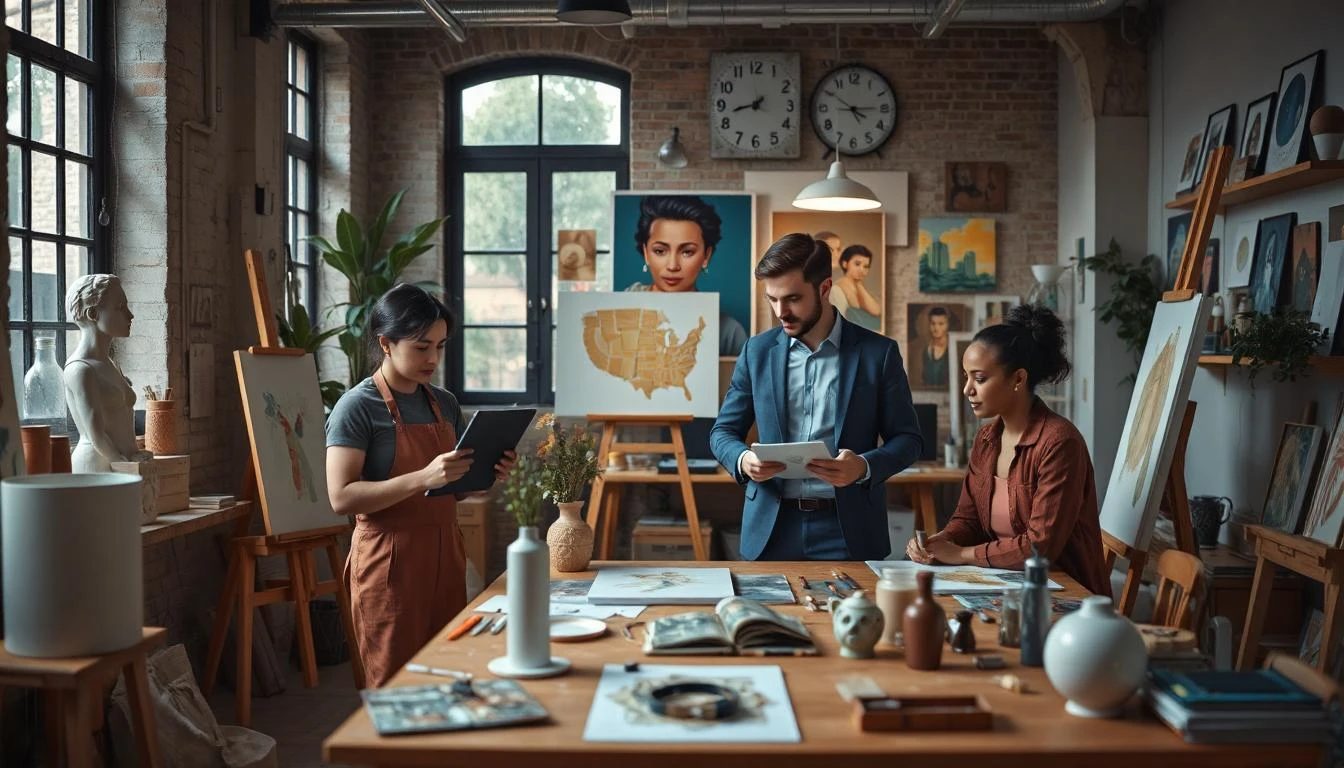
The creative industry is moving through a fascinating transformation where fresh ideas now travel faster than traditional trends. Audiences no longer wait for famous galleries, major studios, or established entertainment companies to decide what deserves attention. Instead, people are actively searching for authentic voices, emotional storytelling, and artistic experiences that feel personal and alive. This shift has opened the door for a completely new generation of creators who are reshaping visual culture, music, fashion, and digital entertainment in ways that feel unpredictable yet deeply relatable.
Today, rising creative artists are becoming the driving force behind modern cultural movements across the globe. Their influence can be seen everywhere, from immersive digital exhibitions and experimental visual storytelling to viral entertainment concepts that spread through social media within hours. These emerging talents are not only creating artwork, but also redefining how audiences emotionally connect with creativity itself. Art critic Jerry Saltz once said that great art should “wake you up instead of helping you escape,” and that idea perfectly reflects why modern audiences are increasingly drawn toward bold and unconventional creators.
Emerging Artists Influencing Modern Creativity
Creative trends rarely appear out of nowhere. Behind every major cultural movement, there are artists experimenting quietly before the world finally notices them. Modern audiences are becoming more curious about independent creators because their work often feels raw, daring, and emotionally honest compared to polished mainstream productions. This curiosity continues pushing new artists into the spotlight faster than ever before.
The rise of modern artist features in digital media has also changed how people discover creative talent. Audiences now follow artists not only because of the final artwork, but because they want to understand the stories, struggles, inspirations, and personal identities behind the creative process itself.
New styles in visual arts
Visual art is evolving beyond traditional boundaries. Many emerging creators are combining hand-drawn illustration, AI-generated textures, photography, motion graphics, and surreal digital effects into one seamless artistic experience. This hybrid approach creates visuals that feel futuristic while still carrying emotional warmth and human expression.
Modern viewers are especially attracted to artwork that feels immersive and emotionally layered. Experimental aesthetics such as cyber nostalgia, abstract realism, retro futurism, and mixed-media storytelling are becoming increasingly popular because they reflect the complexity of modern life itself.
Cultural influence on artistic trends
Cultural identity has become one of the strongest influences shaping artistic trends today. Artists are embracing regional heritage, traditional symbolism, and local storytelling elements to create work that feels deeply personal yet globally relevant.
This cultural fusion allows audiences to experience perspectives they may never encounter in everyday life. From Asian-inspired visual narratives to African futurism and Latin American street aesthetics, creative diversity is redefining what modern entertainment looks like on a global scale.
According to Ai Weiwei, creativity becomes powerful when it reflects both individuality and society at the same time. That balance is exactly what many emerging artists are successfully achieving today.
Social media exposure for creators
Social media has transformed artistic exposure completely. Years ago, creators depended heavily on galleries, publishers, or entertainment agencies to gain recognition. Today, platforms like Instagram and TikTok allow artists to build audiences directly through short-form videos, behind-the-scenes content, and interactive storytelling.
This accessibility has made audiences feel more connected to creators on a personal level. Instead of simply admiring finished artwork, people now enjoy following the entire creative journey, including failures, experiments, and spontaneous moments that make artists feel authentic and relatable.
Creative Trends Driven By Rising Talent
Creative industries continue evolving because emerging artists constantly challenge what audiences expect to see. New talent often enters the industry without being restricted by traditional rules, which allows them to experiment more freely with style, technology, and storytelling techniques.
As audiences become more selective, originality now matters more than perfection. This shift explains why unconventional ideas are gaining stronger attention across entertainment and visual culture worldwide.
Experimental digital art forms
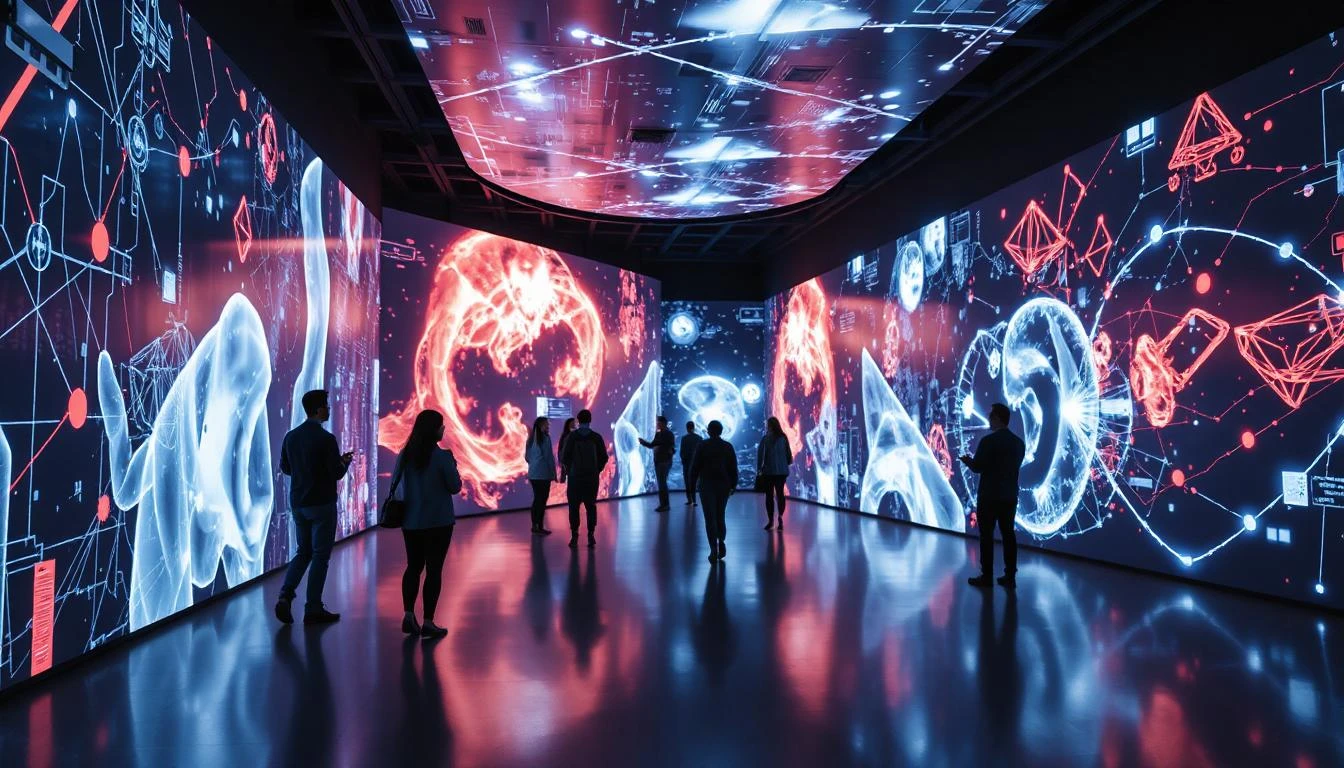
Digital creativity has expanded into entirely new dimensions. Artists are now creating immersive experiences through virtual exhibitions, AI-assisted artwork, augmented reality filters, interactive installations, and cinematic motion visuals designed specifically for online audiences.
These artistic innovations are transforming entertainment into something more participatory and emotionally engaging. Instead of simply consuming content, audiences now interact with creative experiences in real time, making the connection between artist and viewer feel more dynamic than ever before.
Search trends related to digital art innovation, immersive creative experiences, and interactive visual storytelling continue growing because audiences are actively searching for creative forms that feel fresh and unexpected.
Sustainable and meaningful artwork
Modern audiences increasingly care about the purpose behind creative work. Many emerging artists are using recycled materials, sustainable production methods, and social awareness themes to create art that carries both visual impact and emotional meaning.
This movement reflects a broader cultural shift where creativity is no longer judged solely by aesthetics. People are becoming more interested in whether artwork communicates values, sparks conversation, or reflects real social experiences happening around the world.
Meaningful artwork often leaves a stronger impression because it feels connected to reality instead of existing only as decoration.
Cross cultural artistic collaborations
Cross-cultural collaborations are becoming one of the most exciting trends in modern creativity. Artists from different countries and artistic backgrounds are working together to blend music, visual arts, fashion, film, and digital media into unique collaborative projects.
These collaborations introduce audiences to unfamiliar styles and perspectives while creating artistic experiences that feel globally connected. The combination of different cultural influences often produces fresh creative energy that cannot be replicated within isolated artistic spaces.
This is why searches related to global creative collaboration, cross-cultural art trends, and international emerging artists continue attracting growing audience interest online.
Challenges And Opportunities For New Artists
Behind the excitement surrounding modern creativity, many emerging artists still face significant challenges while trying to build sustainable careers. Competition is intense, audience attention spans are shorter, and creative trends evolve rapidly within digital spaces.
At the same time, the opportunities available today are larger and more accessible than ever before for creators willing to adapt and stay consistent.
Building recognition in competitive industries
One of the biggest challenges for new artists is visibility. Thousands of creators upload content every day, making it difficult to stand out within crowded creative industries.
Successful artists often build recognition by developing strong artistic identity, emotional storytelling, and consistent audience engagement instead of simply following trends. Audiences remember creators who feel authentic, distinctive, and emotionally relatable.
Expanding audiences through online platforms
Online platforms continue creating opportunities that were almost impossible a decade ago. Independent artists can now reach international audiences, sell digital products, collaborate globally, and build personal communities without depending entirely on traditional industry systems.
This direct relationship between creators and audiences has changed how modern entertainment operates. People now support artists they genuinely connect with instead of simply following mainstream popularity.
Adapting to changing creative markets
Creative markets evolve quickly, especially in digital entertainment spaces where trends can shift overnight. Artists who remain flexible and willing to experiment usually maintain stronger long-term relevance.
Adaptability has become one of the most valuable creative skills because audiences constantly search for fresh experiences, new perspectives, and emotionally engaging storytelling formats that feel different from what they saw yesterday.
Support Rising Artists And Explore New Creative Trends Today
The future of entertainment and visual culture will continue being shaped by creators brave enough to experiment, challenge norms, and introduce new perspectives into the global conversation. Supporting emerging talent means supporting creativity that feels alive, diverse, emotionally honest, and culturally meaningful.
As audiences continue searching for deeper artistic experiences, independent creators will remain at the center of modern cultural evolution. Somewhere right now, a young artist is probably creating the next visual movement, digital experience, or cultural phenomenon that could completely transform how people see creativity in the years ahead. If you enjoy discovering ideas before they become mainstream, this is the perfect moment to explore and support the voices shaping the future of art and entertainment.