Visual Inspiration From Modern Culture
Modern culture changes faster than ever, and visual trends are now shaping how people think, communicate, and express identity across the world. From cinematic storytelling and digital art to street fashion and immersive online aesthetics, creative influence can appear from places that once felt ordinary. What makes this shift even more fascinating is how audiences today are no longer searching only for beauty, but for meaning, emotion, and authenticity behind every visual experience they encounter.
In the middle of this rapidly evolving creative landscape, modern visual inspiration has become one of the strongest driving forces behind contemporary art, entertainment, branding, and lifestyle trends. People are constantly exploring fresh ideas that connect modern aesthetics with emotional storytelling, while creators search for new ways to stand out in an oversaturated digital environment. As designer Paula Scher once said, “Identity is the cause; brand is the effect,” and that statement perfectly reflects how modern visuals now shape personal and cultural identity in powerful ways.
Understanding Visual Influence In Modern Culture
Visual culture today feels deeply connected to everyday life. Whether someone scrolls through social media, watches streaming content, visits urban spaces, or listens to music, visual influence quietly shapes perception and emotional response. This constant exposure creates a new kind of cultural awareness where aesthetics become part of communication itself.
At the same time, many creators are turning toward cultural art ideas to build stronger emotional connections with audiences. Modern visual trends are no longer separated from cultural identity because people now value creativity that feels authentic, relatable, and emotionally immersive rather than purely decorative.
Fashion and lifestyle inspiration
Fashion has transformed into more than seasonal trends or luxury statements. It now represents attitude, personality, and even social perspective. Oversized silhouettes, vintage revival aesthetics, futuristic streetwear, and minimalist lifestyles continue influencing photographers, filmmakers, illustrators, and digital creators worldwide.
Lifestyle visuals also shape audience behavior in subtle ways. Café interiors, travel content, skincare branding, and curated social feeds all contribute to how people define modern beauty and aspiration. This explains why visual consistency has become essential across industries that rely on emotional engagement.
According to cultural theorist Malcolm Barnard, fashion and visual culture are closely linked because both function as systems of communication that reflect society itself. That connection becomes increasingly visible in today’s hyper-digital creative environment.
Entertainment and media impact
Entertainment remains one of the strongest engines behind visual evolution. Streaming platforms, music videos, gaming environments, animated productions, and digital campaigns continuously introduce new aesthetics that quickly spread across global audiences.
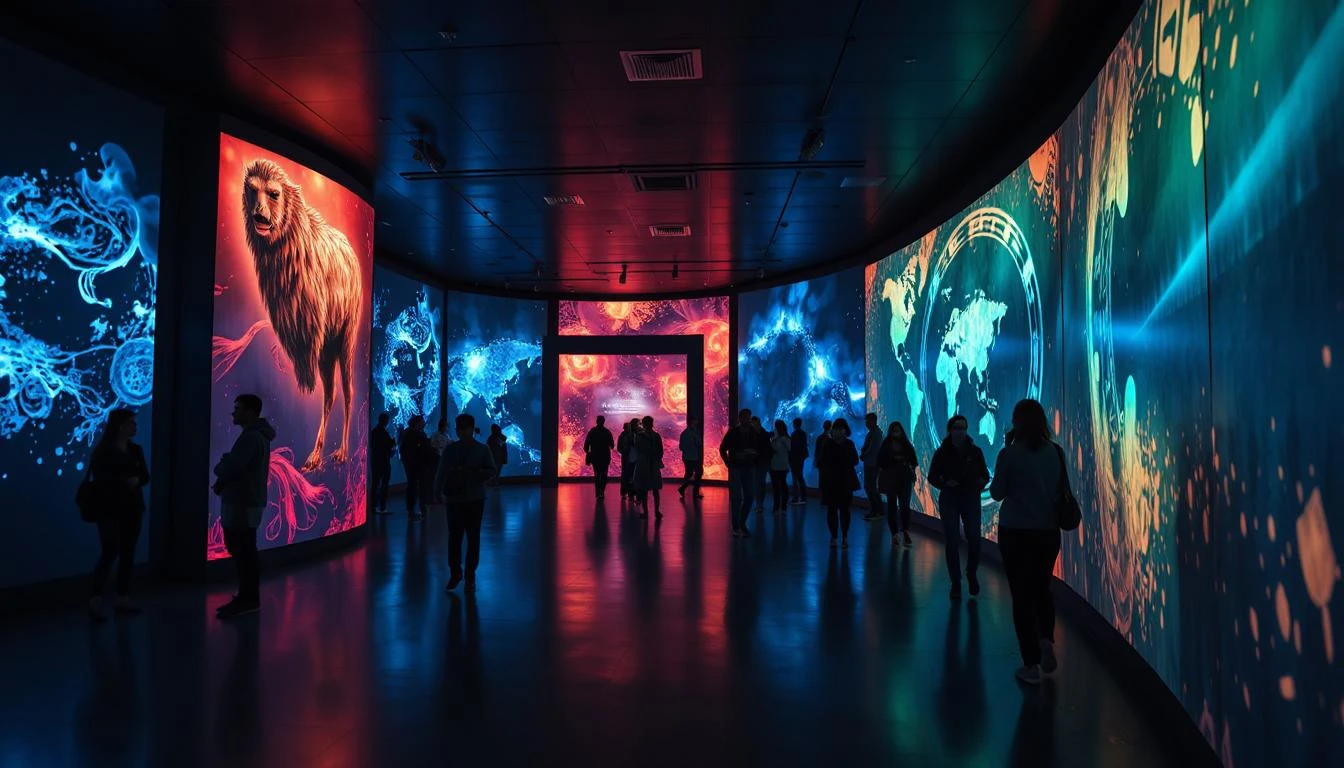
Modern audiences often remember the color palette, visual atmosphere, or cinematography of a film long before remembering the dialogue itself. Neon lighting, cinematic grain, retro futurism, and immersive visual effects now influence everything from advertising campaigns to social media content creation.
The entertainment industry also accelerates trend cycles faster than ever. A single successful series or music video can redefine visual preferences within days, inspiring millions of creators to reinterpret similar aesthetics into their own creative work.
Digital trends shaping creativity
Digital innovation continues reshaping how creativity is produced and consumed. AI-generated art, motion graphics, virtual fashion, immersive 3D visuals, and interactive media experiences are opening creative possibilities that barely existed a decade ago.
Interestingly, modern audiences are becoming more attracted to visuals that blend nostalgia with futuristic experimentation. Vintage textures combined with contemporary editing styles create a sense of emotional familiarity while still feeling fresh and modern.
Creators who understand these evolving behaviors often develop stronger visual storytelling because they focus not only on appearance, but also on emotional resonance. That balance between innovation and relatability is what keeps modern visual culture constantly evolving.
Sources Of Modern Visual Inspiration
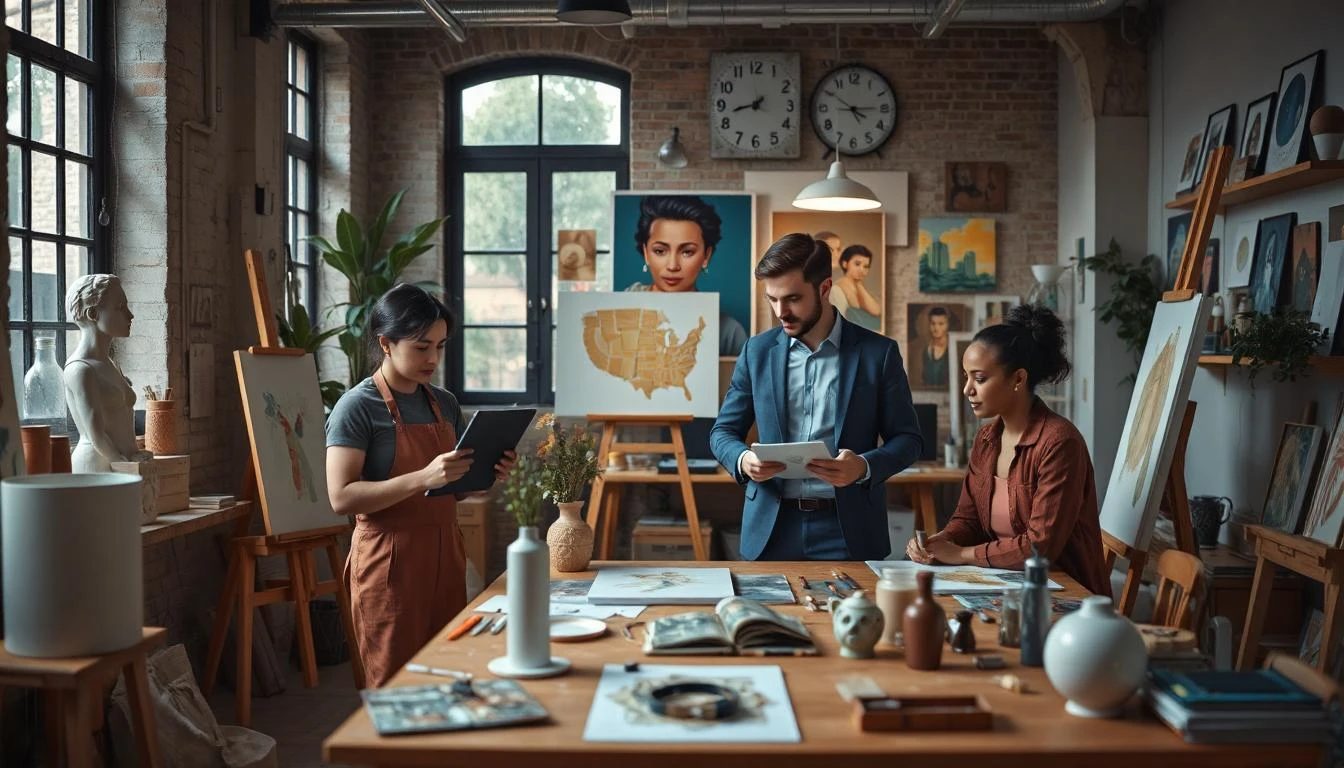
Creative inspiration rarely appears from one source alone. It develops through observation, experience, experimentation, and curiosity. Modern creators often discover their strongest ideas by connecting unexpected influences together into something visually unique and emotionally engaging.
As audiences become more visually literate, originality becomes increasingly valuable. People are drawn toward creators who can transform familiar references into fresh artistic perspectives rather than simply repeating existing trends.
Urban design and architecture
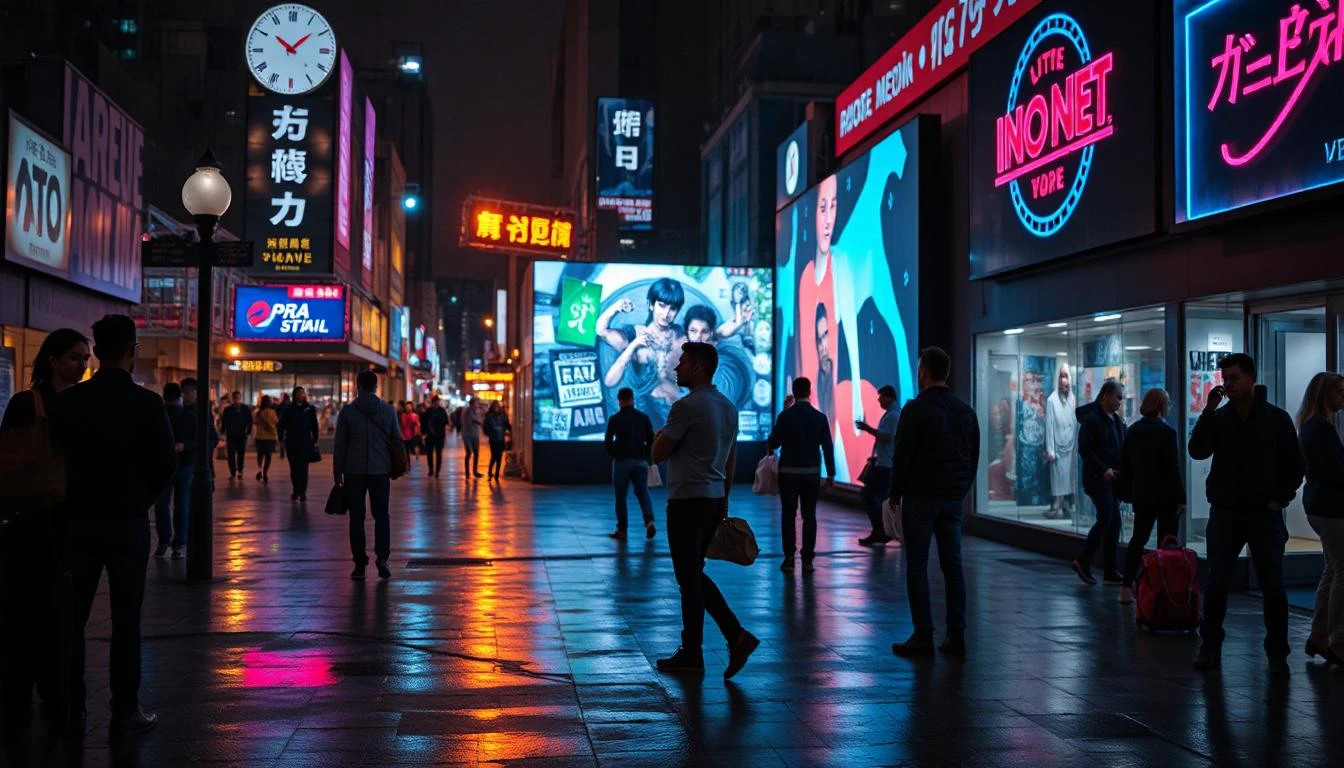
Cities have become living galleries filled with visual inspiration. Architecture, transportation systems, industrial textures, neon signs, public murals, and minimalist cafés all contribute to modern aesthetic culture in powerful ways.
Urban environments like Tokyo, Copenhagen, Seoul, and New York frequently influence global design trends because they combine functionality with artistic experimentation. Modern architecture now embraces natural light, sustainable materials, and emotionally calming spaces that inspire photographers, interior designers, and visual artists alike.
Walking through a creative city often feels like stepping into a constantly evolving mood board where every detail contributes to a larger visual narrative.
Social media creative movements
Social media has completely transformed how visual movements emerge and spread. Trends that once took years to become globally recognized can now dominate digital culture within hours through short-form content and viral creative communities.
Platforms like Instagram, TikTok, Pinterest, and Behance allow independent creators to influence international aesthetics without relying on traditional media industries. This shift has democratized creativity and opened opportunities for more experimental artistic voices to gain recognition.
Audiences also interact differently with visuals today. They expect content to feel immediate, immersive, and emotionally stimulating almost instantly, which pushes creators to develop stronger storytelling techniques through design and presentation.
Photography and digital illustration
Photography remains one of the most powerful tools for capturing authentic emotion and cultural atmosphere. Street photography, cinematic portraiture, documentary imagery, and experimental editing styles reveal details about society that words alone often cannot explain.
Meanwhile, digital illustration continues expanding creative freedom beyond physical limitations. Artists now combine surreal concepts, futuristic symbolism, anime-inspired aesthetics, abstract textures, and realistic rendering techniques to create visually unforgettable work.
Many modern brands intentionally merge photography and illustration together because hybrid visuals often feel more immersive and emotionally layered for contemporary audiences.
Using Cultural Inspiration In Creative Work
Finding inspiration is only the beginning of the creative process. The real challenge comes from transforming cultural references into original work that feels personal, meaningful, and visually memorable without losing authenticity.
Today’s most influential creators rarely follow trends blindly. Instead, they reinterpret cultural inspiration through their own perspective, experiences, and emotional understanding of modern audiences.
Building unique artistic identity
A recognizable artistic identity develops through consistency and experimentation over time. The most memorable creators often share one important quality: their work immediately feels distinctive even before their name appears.
Modern artists increasingly study multiple creative disciplines simultaneously including cinema, fashion, music, architecture, photography, and digital media. This layered approach helps them create richer visual language that resonates more deeply with audiences.
Authenticity also plays a crucial role in audience trust. People naturally connect with visuals that feel emotionally honest rather than overly manufactured or trend-driven.
Combining traditional and modern styles
One of the most compelling movements in modern creativity involves blending heritage aesthetics with contemporary execution. Traditional calligraphy, handcrafted textures, folklore symbolism, and cultural patterns are now being integrated into modern branding, entertainment visuals, and digital design.
This fusion creates stronger emotional depth because it combines familiarity with innovation. Audiences appreciate visuals that preserve cultural identity while still feeling modern and globally relevant.
The result is often more timeless than trend-focused aesthetics because it carries emotional history alongside contemporary creativity.
Developing fresh visual concepts
Fresh concepts usually emerge when creators intentionally expose themselves to unfamiliar perspectives. Traveling, studying underground art communities, analyzing global entertainment, exploring independent cinema, and observing subcultures all contribute to stronger creative originality.
Mood boards, visual archives, AI-assisted ideation tools, and immersive media experiences now help creators refine concepts before turning them into finished projects. However, the strongest ideas still come from emotional observation and curiosity rather than technology alone.
Creative evolution happens when people stop consuming visuals passively and begin questioning why certain aesthetics create emotional impact in the first place.
Explore Visual Inspiration From Modern Culture And Creative Trends Today
Modern visual culture continues reshaping how people experience creativity, identity, and emotional storytelling across every corner of entertainment and digital life. What once felt experimental can suddenly become mainstream within weeks, proving how rapidly creative influence now moves in a globally connected world.
The most fascinating part is that inspiration no longer belongs exclusively to major studios, luxury brands, or famous artists. Independent creators, niche communities, underground movements, and digital experiments now influence mainstream aesthetics just as strongly as traditional industries. As media expert Lev Manovich explained, modern digital culture constantly blends technology and artistic expression into entirely new forms of visual communication.
For anyone exploring creative work today, the opportunity is enormous. Inspiration can emerge from architecture, fashion, gaming culture, photography, cinematic storytelling, or even ordinary moments hidden inside everyday urban life. The more deeply you observe modern culture, the more unexpected creative connections begin to appear naturally.
If you want to develop stronger creative instincts, start paying closer attention to the visuals surrounding your daily routine and challenge yourself to interpret them differently. Sometimes the most powerful ideas come from details that other people completely overlook.